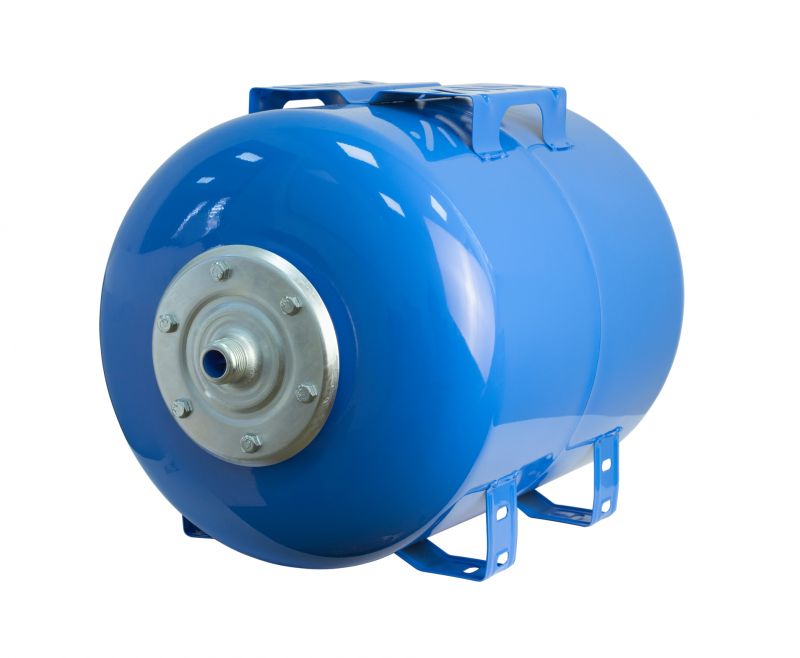
Expansion Tank Installation in Denver, CO
Expansion tank installation services involve adding or replacing a device that helps maintain proper pressure and prevent water hammer in residential plumbing and heating systems. These tanks are commonly used in homes with closed-loop hot water systems, boilers, or radiant heating setups, where they serve to accommodate water volume changes and reduce stress on the system. Property owners typically request this service when experiencing frequent pressure fluctuations, knocking sounds in pipes, or when upgrading or maintaining their existing plumbing infrastructure to ensure efficient operation and longevity.
Before requesting expansion tank installation, homeowners should understand the size and type of tank suitable for their specific system, as well as any existing system requirements or limitations. It’s also helpful to know the location where the tank will be installed and whether any modifications to existing plumbing are necessary. Clarifying these details can help ensure the installation process proceeds smoothly and that the new tank functions effectively within the home’s plumbing or heating setup.
Many property owners in Denver, CO look into Expansion Tank Installation for repairs, replacements, upgrades, and appearance-related improvements.
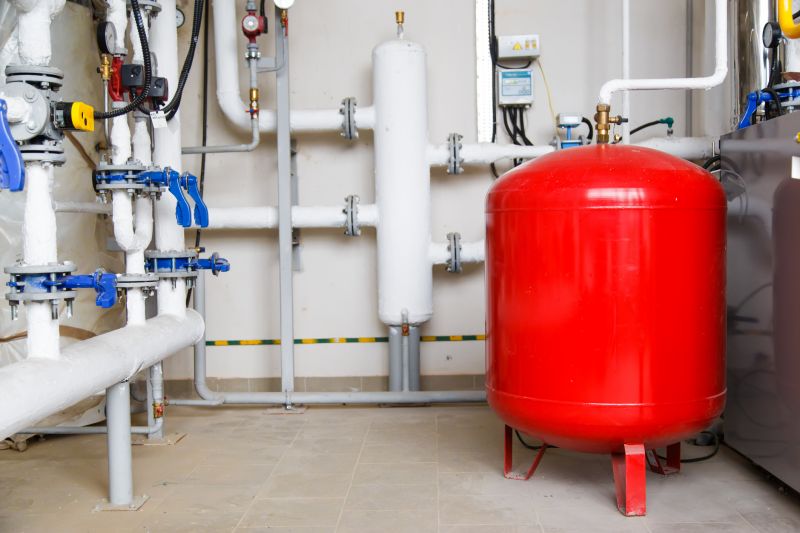
Expansion Tank Benefits
An expansion tank helps maintain consistent water pressure and prevents system damage.
Installation Considerations
Proper placement and sizing are essential for optimal performance in denver homes.
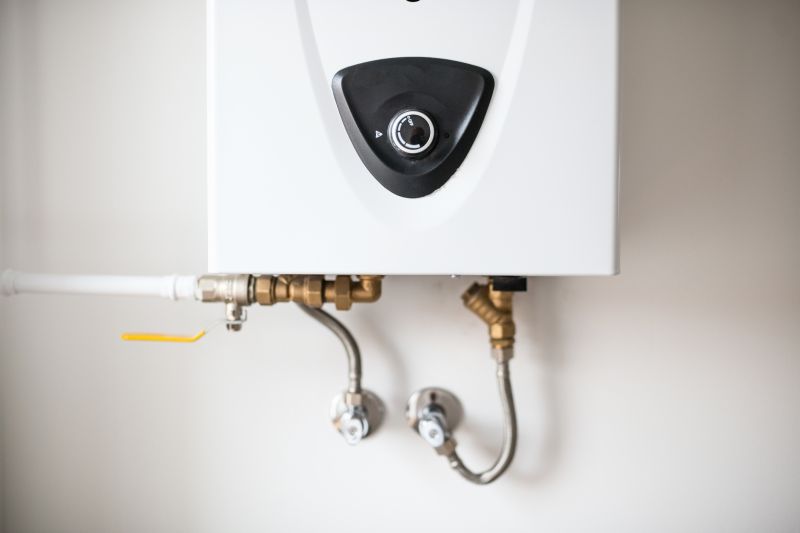
Common Applications
Expansion tanks are often installed in residential water heating systems to accommodate thermal expansion.
Expansion Tank Installation in Denver, CO

Expansion tank installation services involve adding or replacing a device that helps maintain proper pressure and prevent water hammer in residential plumbing and heating systems. These tanks are commonly used in homes with closed-loop hot water systems, boilers, or radiant heating setups, where they serve to accommodate water volume changes and reduce stress on the system. Property owners typically request this service when experiencing frequent pressure fluctuations, knocking sounds in pipes, or when upgrading or maintaining their existing plumbing infrastructure to ensure efficient operation and longevity.
Before requesting expansion tank installation, homeowners should understand the size and type of tank suitable for their specific system, as well as any existing system requirements or limitations. It’s also helpful to know the location where the tank will be installed and whether any modifications to existing plumbing are necessary. Clarifying these details can help ensure the installation process proceeds smoothly and that the new tank functions effectively within the home’s plumbing or heating setup.
Many property owners in Denver, CO look into Expansion Tank Installation for repairs, replacements, upgrades, and appearance-related improvements.
Common Expansion Tank Installation Jobs
Expansion Tank Installation - helps maintain consistent water pressure in residential plumbing systems.
Expansion Tank Replacement - ensures proper system function when existing tanks are outdated or faulty.
Water Heater System Support - prevents pressure buildup by adding an expansion tank to hot water systems.
Closed Loop System Setup - accommodates thermal expansion in closed plumbing configurations.
Leak Prevention Services - reduces the risk of water damage caused by pressure fluctuations.
System Inspection and Testing - verifies proper operation of the expansion tank after installation.
Expansion Tank Installation Questions
What is an expansion tank used for? An expansion tank helps manage pressure in a plumbing system by accommodating water volume changes, preventing damage to pipes and fixtures.
When should a property owner consider installing an expansion tank? Installation is recommended when there are frequent pressure fluctuations, water hammer sounds, or signs of system stress in the plumbing.
What types of expansion tanks are available for residential properties? There are primarily bladder and non-bladder types, with bladder tanks being common for residential systems due to their durability and ease of maintenance.
How does the installation process typically proceed? The process involves assessing the plumbing system, selecting the appropriate tank size, and securely connecting the tank to ensure proper pressure regulation.
Request Expansion Tank Installation in Denver, CO
Use the quote form on this page to share the basics of your project and request more information for the type of work you need.